Call us: 03 9059 1861
  Opening hours: Mon - Sun: 8:00am To 9:00pm



Signs Your Terracotta Roof Needs Repointing | Melbourne

Signs Your Terracotta Roof Needs Repointing
Terracotta roofs are loved for their classic charm and long lifespan, often lasting up to 100 years. These tiles handle harsh Melbourne weather, but the mortar holding them in place wears down over time. When this mortar wears down, small issues can turn into leaks and structural damage if your roof doesn't get repointed. This article explains the signs your terracotta roof needs repointing. We've outlined the clear warning signs homeowners should look for before problems become costly repairs.
What Is Roof Repointing?
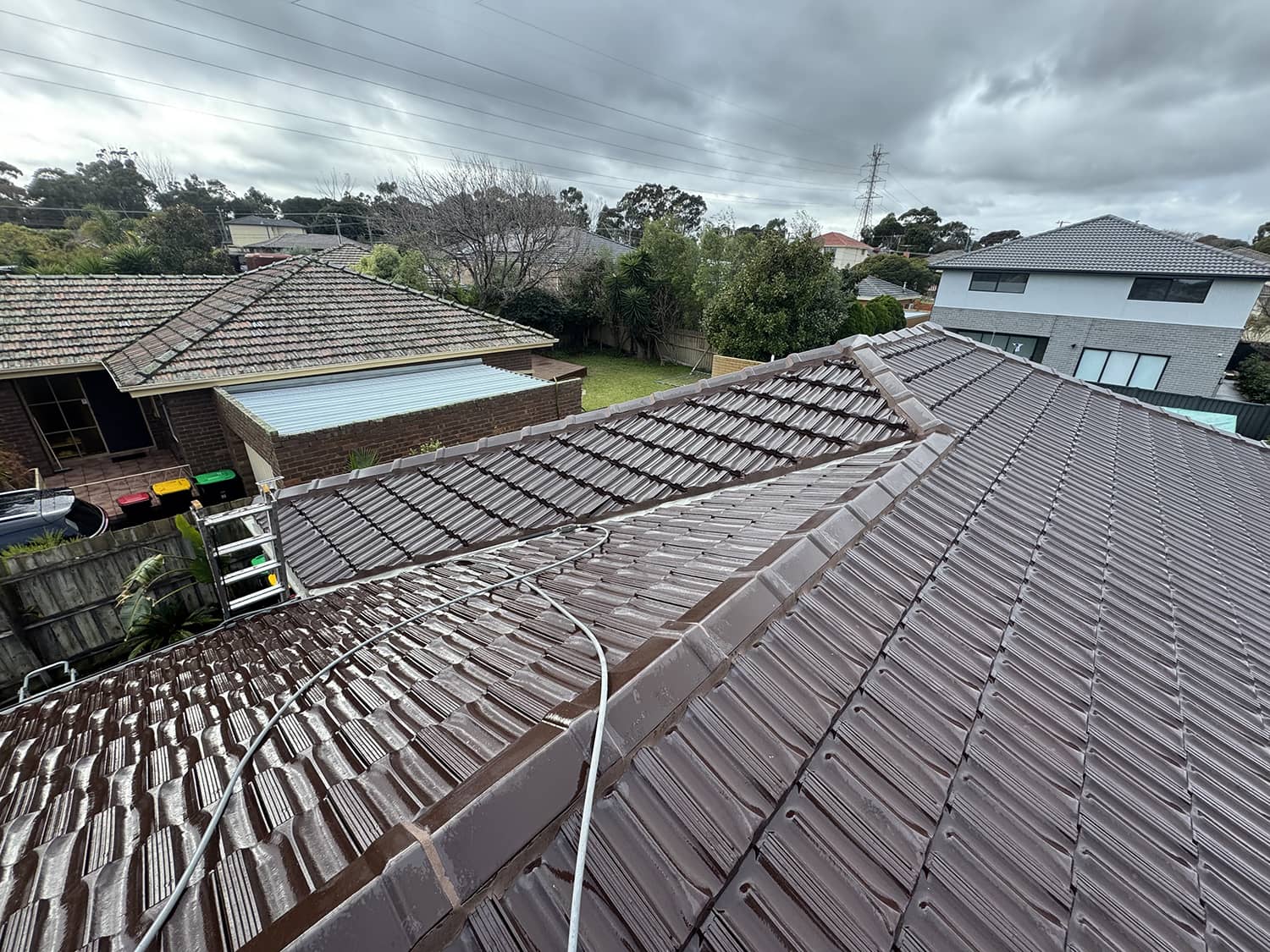
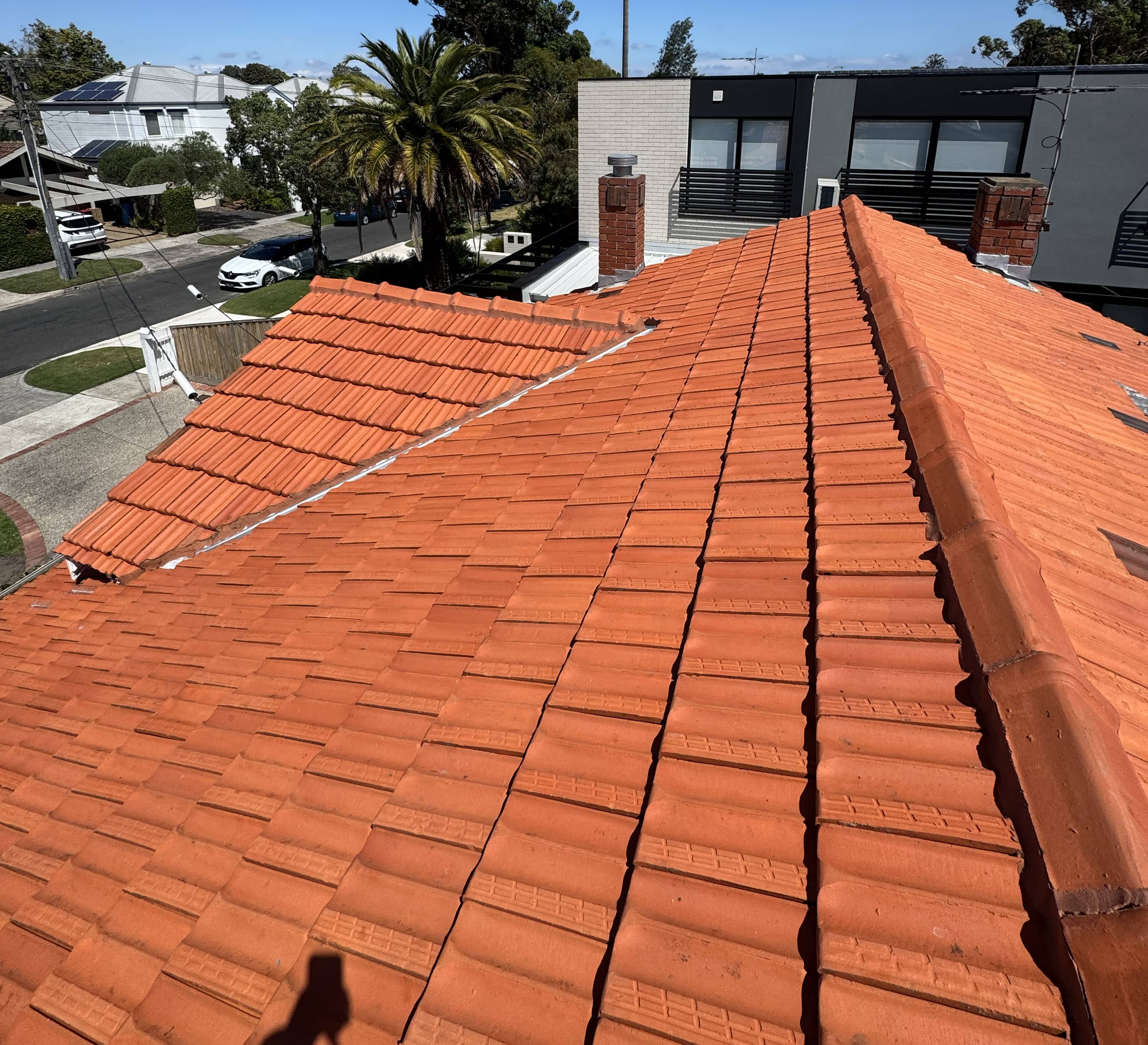
Roof repointing is the repair of the mortar that seals and secures ridge and hip tiles along the top lines of a tiled roof. This mortar absorbs constant stress from the elements. Sun, rain, wind, and temperature changes gradually cause irreversible damage to mortar, causing it to crack and erode. Repointing replaces this damaged mortar with a flexible compound that restores strength, movement tolerance, and water protection.
Why Terracotta Roof Repointing Matters
Terracotta tiles are durable, but the roof relies on sound mortar to perform as a system. Repointing stabilises your roof before costly issues develop, here's how:
Seals gaps to block rainwater and moisture intrusion
Secures ridge tiles against wind lift and movement
Protects roof framing from rot, mould, and other damage
Extends roof lifespan and supports long-term property value
When to Repoint Your Terracotta Roof: Top Warning Signs
Here are signs that show you need terracotta roof repointing that help homeowners act early before minor wear turns into a costly repair bill.
Cracked or Crumbling Mortar
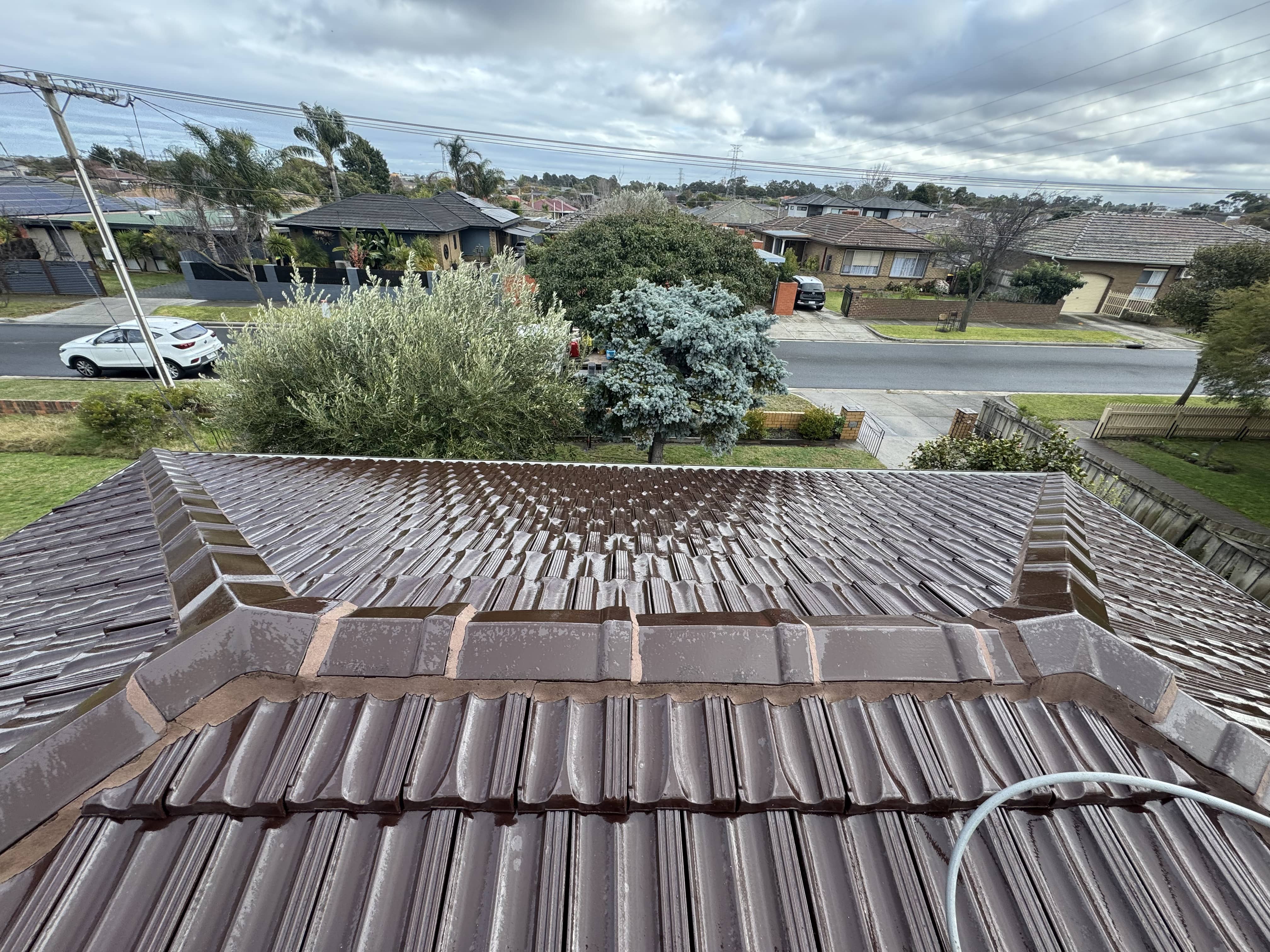
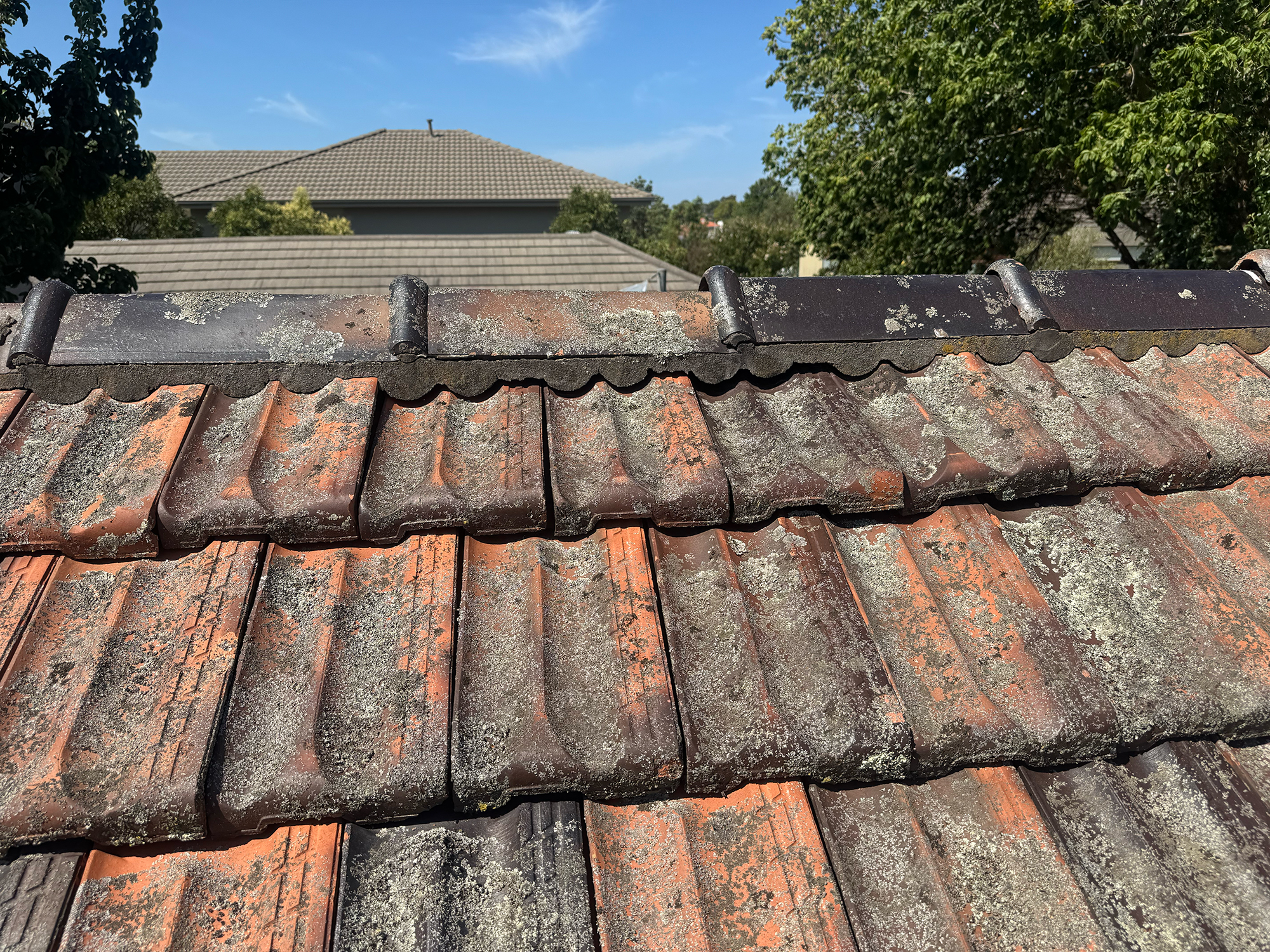
Cracked or missing mortar along ridge lines is the earliest warning sign. Roof mortar cracks in Melbourne homes as heat, rain, UV, and roof movement dry out the original bedding over time. Gaps form, tiles lose their seal, and rainwater enters. A professional inspection can confirm repointing needs.
Cracked or Broken Terracotta Tiles
Terracotta tiles may crack from debris, foot traffic, storm damage or years of weather exposure. Even small cracks let moisture reach the insulation and the timber supports below. These broken tiles increase the burden on surrounding areas, increasing failure risks. Early replacement combined with repointing restores alignment and prevents deeper structural issues from forming beneath the surface.
Loose Ridge Caps or Shifting Tiles
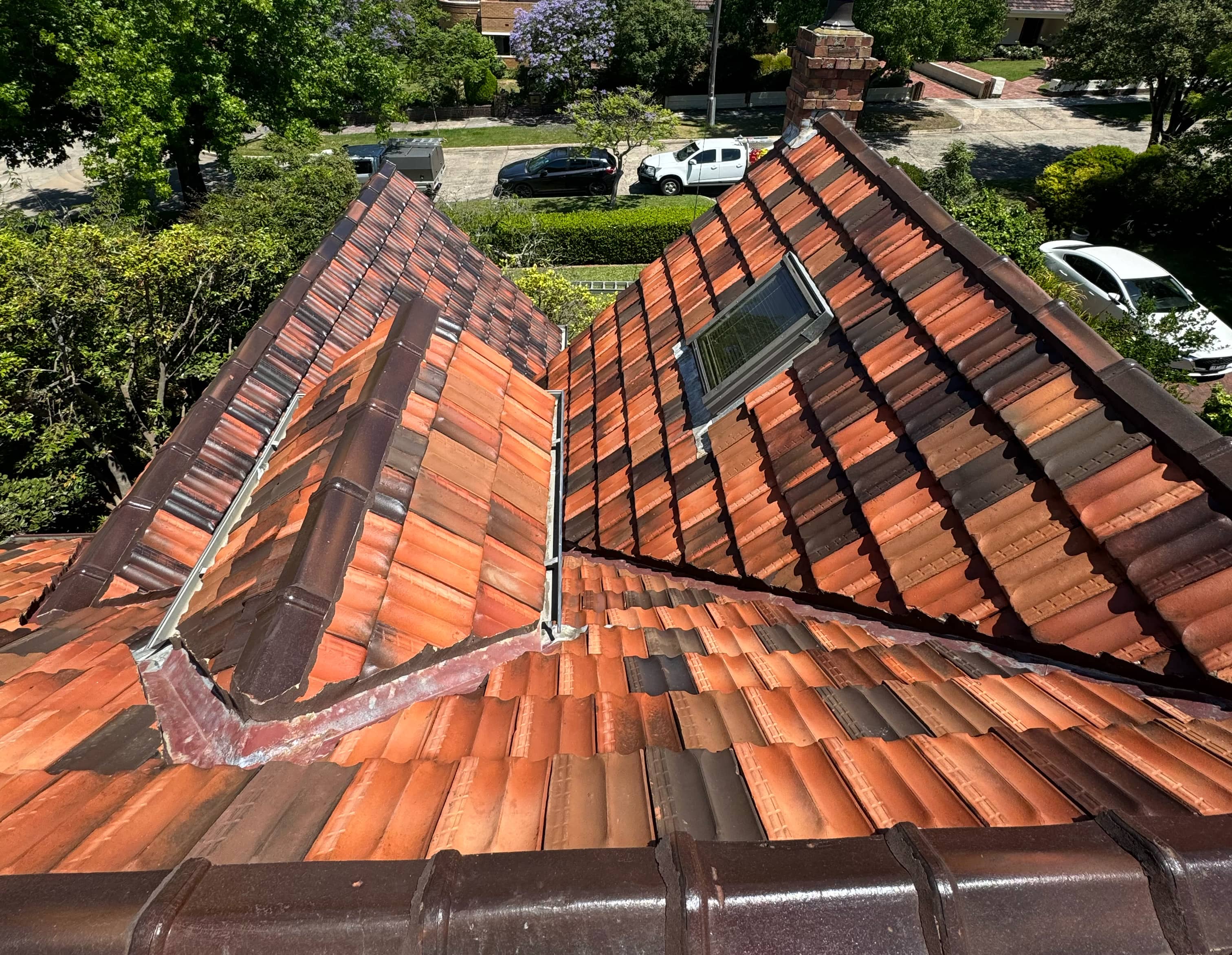
Ridge caps sit along the highest points on the roof and rely on solid bedding to stay fixed. Terracotta ridge capping in Melbourne often loosens due to thermal expansion and strong winds. Movement exposes both the underlay, and the framing to rain. Re-bedding and repointing lock ridge tiles back into position restoring roof stability.
Water Leaks or Ceiling Stains
Some signs are inside your house. Water marks on ceilings, as well as peeling paint or damp insulation trace back to failed ridge pointing. Rain enters through fine mortar gaps and travels through your roof before becoming visible indoors. Without proper and timely treatment, this leads to mould and timber damage. Immediate assessment and roof leak repairs stop internal damage from spreading.
Moss, Lichen, or Algae Growth
Seeing moss, lichen and algae appear? It could be caused by moisture locked in cracked mortar joints. Trapped moisture speeds up erosion and weakens the roof surface. Plants between ridge lines also signal failing pointing. Professional terracotta roof cleaning followed by terracotta roof repointing restores drainage and roof health.
Gritty Dust or Sand in Gutters
Fine sandy material collecting in gutters usually comes from breaking-down mortar. As pointing wears away, particles wash off during rain. This sign is easy to miss, it shows that ridge joints are losing strength. Early repointing at this stage prevents loose tiles, leaks, and further roof deterioration.
Ageing Roof Without Recent Maintenance
Terracotta roofs last for decades, but neglected maintenance increases failure risk. If your roof has not been serviced in over 20 years, hidden issues are likely present. Small defects grow quietly over time. Booking an inspection and planned roof maintenance & repairs help extend roof life and reduce the need for premature replacement. Third party roofing experts like RoofClaim recommend having your roof professionally inspected at least once per year so you can catch any damage before it turns into an expensive problem.
Risks of Ignoring Terracotta Roof Repointing Signs
From our field inspections and experience, delayed terracotta repointing often leads to avoidable extra costs, like:
Ceiling leaks and damaged wiring
Rotting rafters and roof battens
Loose or broken tiles after storms
Higher energy bills from insulation loss
Pest entry through roof gaps
Minor repairs turning into full roof replacements
Protect Your Terracotta Roof with Bayside Roof Cleaning!
Australia's climate puts terracotta roofs under constant stress. Some signs your Terracotta roof needs repointing include cracked mortar, shifted tiles, and water damage. At Bayside Roof Cleaning, we restore ridge caps, replace worn pointing, and protect your roof's structure. Our professional roof repair and maintenance service can help maintain a Terracotta roof's life up to 50 years, while preventing costly repairs, and maintaining the curb appeal of properties across Melbourne.
Faqs
What is the roof repointing cost in Melbourne?
Roof repointing cost in Melbourne is approximately $1,500-$2,500. Get a precise quote after a professional inspection. Cost will be based on roof size, height, access, tile condition, and repointing labor. Contact us for a free quote.
How long does Terracotta roof repointing last?
Quality terracotta roof repointing lasts around 10 to 20 years. Bayside Roof Cleaning suggests inspections every few years, with repointing needed about once every decade.
What damages roof mortar?
In Melbourne, roof mortar weakens due to heat, UV exposure, rain, wind, and simple aging. According to This Old House, regular inspections, clean gutters, and early crack repairs can extend the life of your roof mortar and your roof.
What is Terracotta roof repointing?
Roof repointing involves inspecting damage, removing loose mortar, fixing bedding if needed, applying flexible pointing, then cleaning and checking tiles for proper sealing.
Can you repoint a roof yourself?
You can DIY it by yourself on small cracks, but even that is short-lived, dangerous, and may cause damage to your terracotta roof if done improperly. Bayside Roof Cleaning recommends hiring professionals, as incorrect materials or poor sealing can cause leaks and costly damage later.